
Stabilizers
Properly tuned stabilizers make the difference between a mushy and a clean, satisfying bottom out on your large keys. In this category, you'll find plate-mounted and PCB-mounted Stabs—including both clip-in and screw-in types in various designs that allow you to perfectly tune spacebar, shift, enter and backspace. An essential part of every high quality custom keyboard build out there.
Filters
9 products


SW Knight V4 PCB-Mounted Screw-In Stabilizers
Sale price€17,95 EUR
5.0


Maiz x MonacoKeys PCB-Mounted Clip-In Stabilizers
Sale priceFrom €16,00 EUR
5.0


Maiz x MonacoKeys PCB-Mounted Screw-In Stabilizers
Sale priceFrom €16,00 EUR
5.0
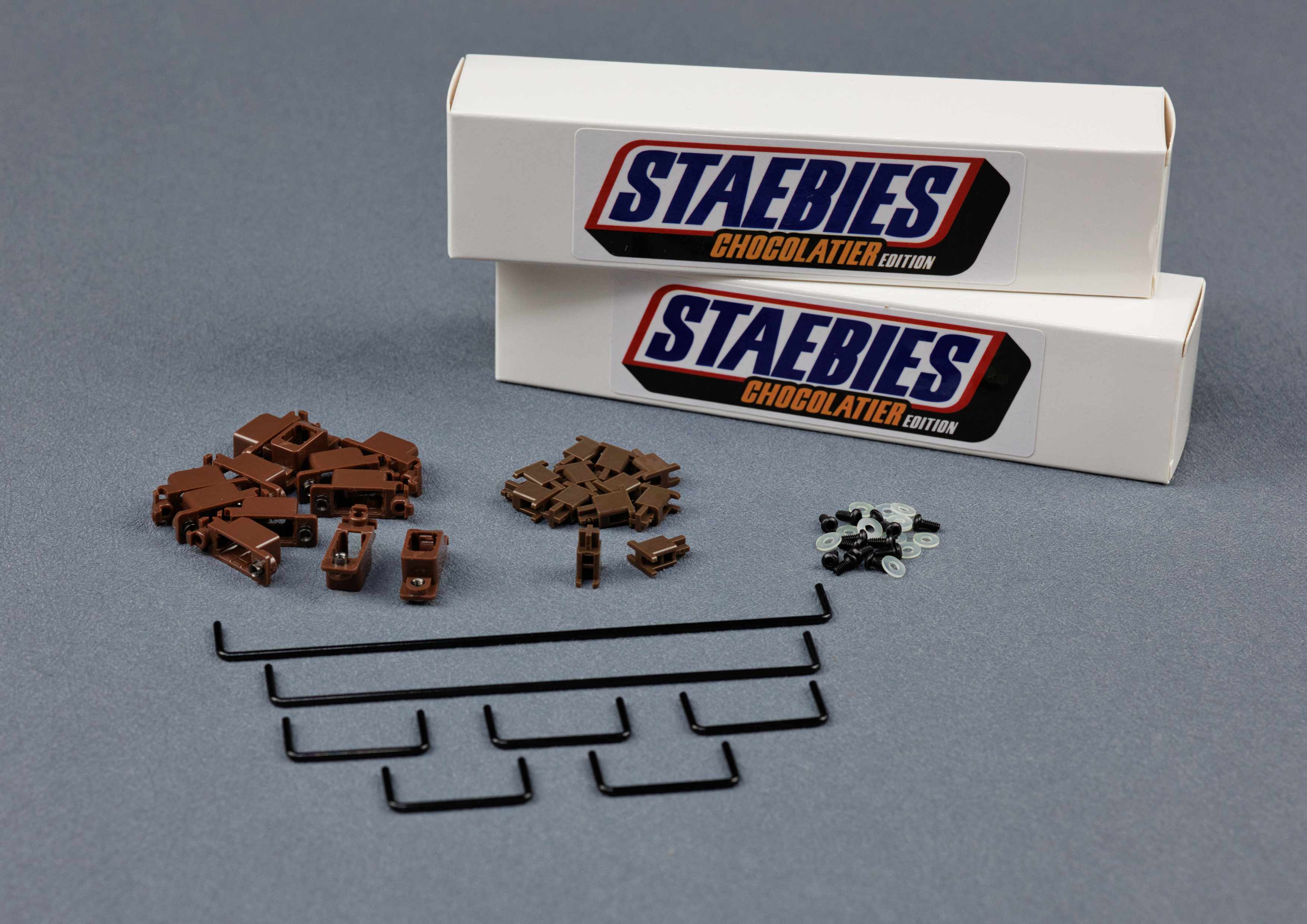

AEBoards Staebies PCB-Mounted Screw-In Stabilizers
Sale price€22,00 EUR
5.0


TX AP (Rev.4) PCB-Mounted Screw-In Stabilizers
Sale price€20,00 EUR
5.0


TTC Plate-Mounted Stabilizers
Sale price€14,90 EUR
4.5


SSS - Fourwraps V2 PCB-Mounted Stabilizers
Sale price€18,00 EUR
4.3


Typeplus x YiKB PCB-Mounted Screw-In Stabilizers
Sale price€19,00 EUR
4.8
Coming Soon
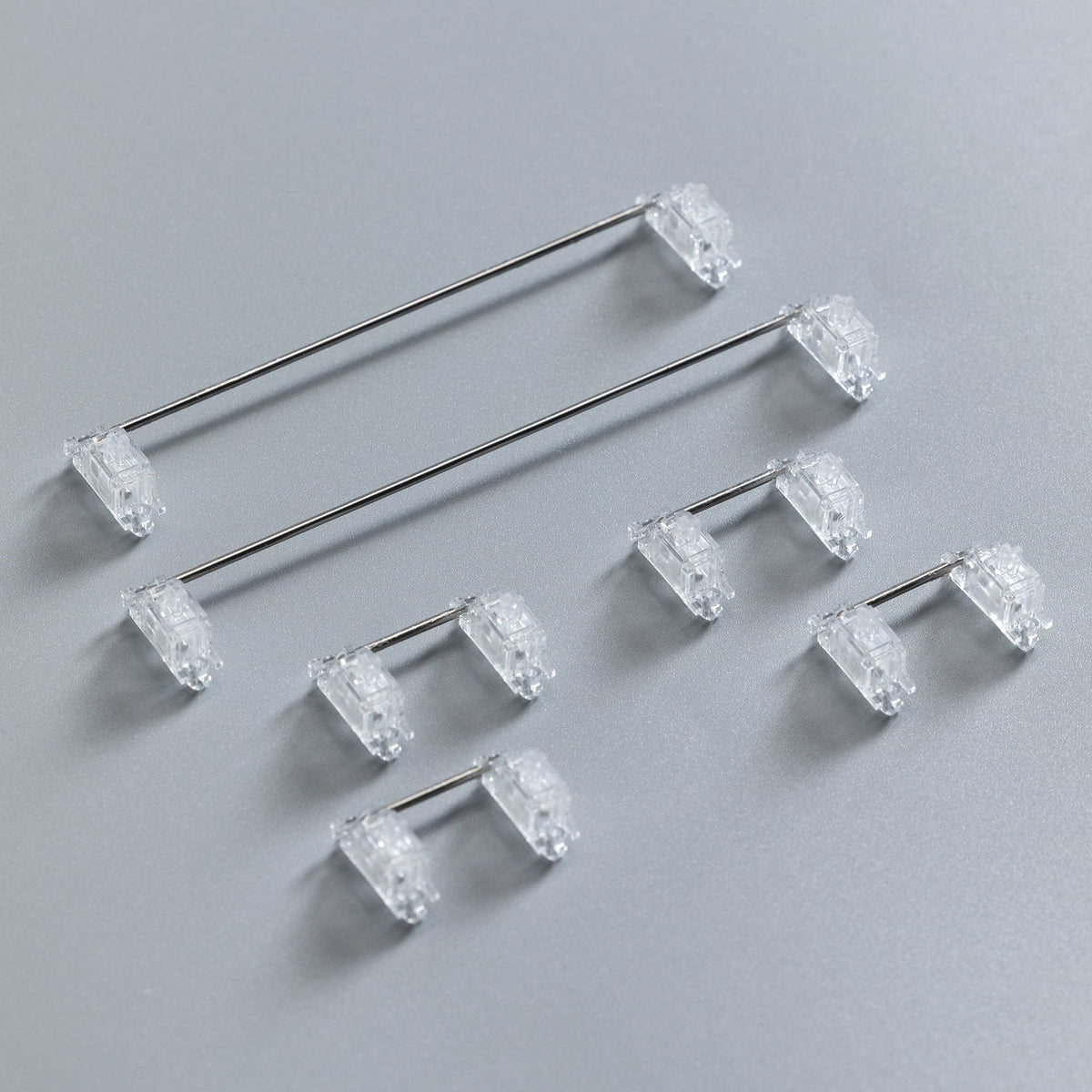
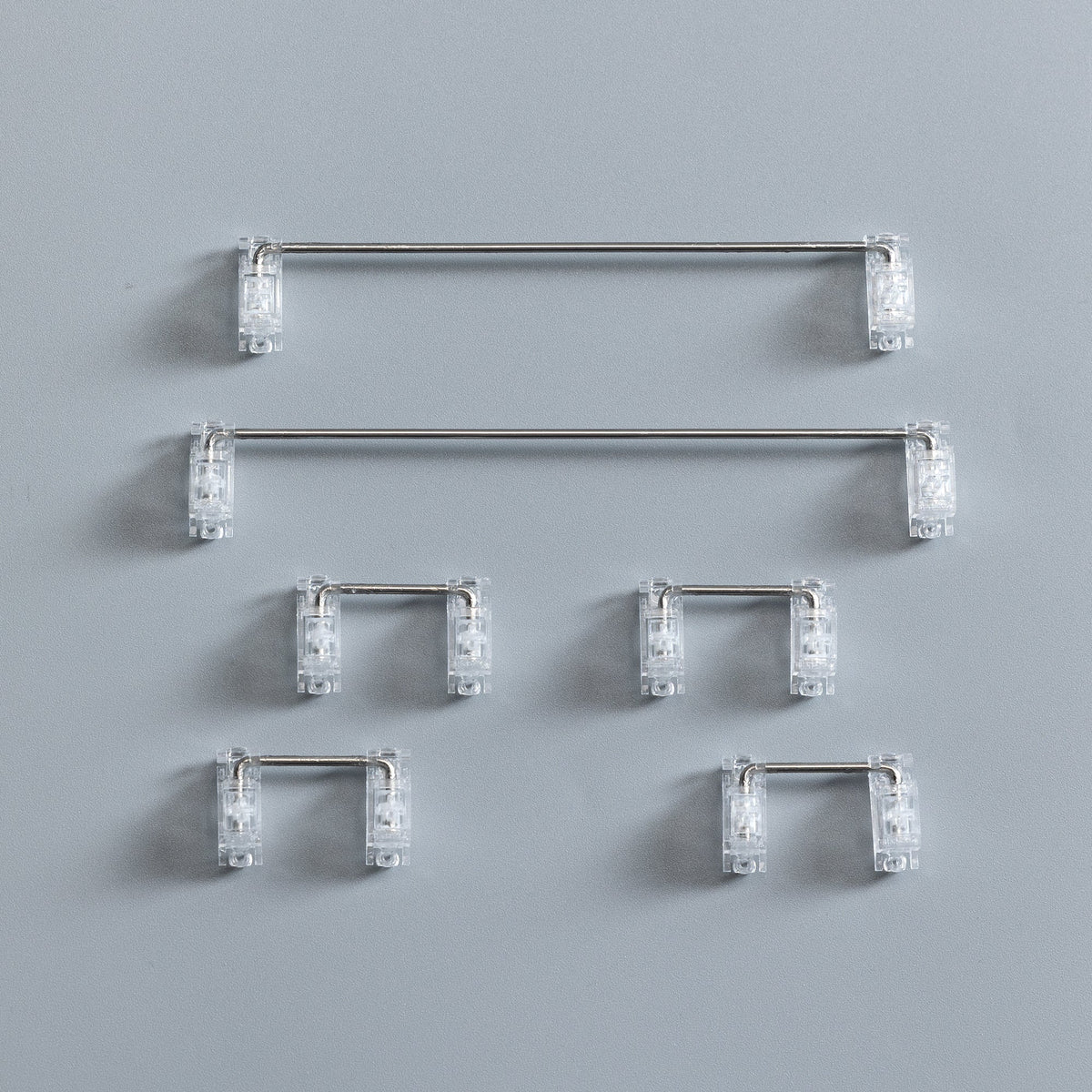
ConSi Studio V3 PCB-Mounted Stabilizers
Sale priceFrom €18,00 EUR



 1569


 97